




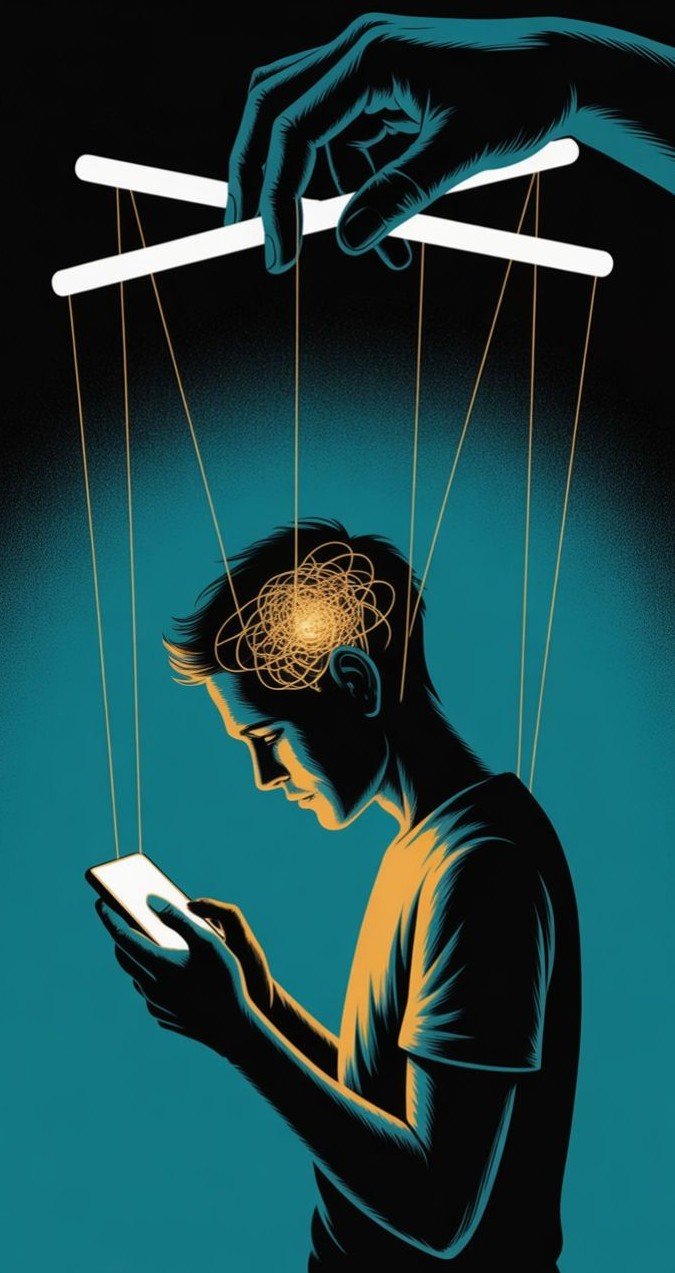
Every few months, another country joins the debate: should teenagers be banned from social media? Australia moved first, with all youth under 16 banned from major platforms like TikTok, Instagram, Snapchat, YouTube, Reddit, Twitch and X as of December 10. Others are now watching closely, and the idea has obvious appeal. It is simple, it sounds decisive, and it gives worried parents and politicians something to point to.
But a ban answers the wrong question. The real question is not “How do we keep teens away from social media?” It is “How do we stop social media from harming anyone, teens included?”
The Harm Is Real
Nobody seriously denies the risks. Teenagers face cyberbullying, image-based abuse, scams, predatory contact, and algorithms that push violent or disturbing content. Heavy use can disrupt sleep and feed anxiety and comparison. Parents are right to be worried.
The issue is where we place the responsibility.
A Ban Puts the Burden on the Wrong Party
A ban treats teenagers as the problem. As one Irish youth advocate put it, bans put the onus on teenagers to stay off social media, rather than making social media channels safer in the first place.
The harm does not come from teenagers logging in.
These design choices come from how platforms work. Recommendation engines prioritize engagement, while endless scrolling keeps users hooked. Reporting systems remain weak, and content moderation is often slow.
Removing teenagers from these platforms would leave these problems untouched. Adults would still face the same risks. New generations would also encounter them as soon as they turn 16 or 18.
Bans Are Easy to Get Around
Anyone who has met a teenager knows how this ends. Age checks can be dodged with a false birthdate, a borrowed account, or a VPN. Critics have noted that people could easily lie about their age and continue to use certain apps.
The more worrying outcome is that restricted teens drift toward less regulated corners of the internet, with weaker moderation and fewer protections. A rule meant to protect them can leave them more exposed, and less likely to tell an adult when something goes wrong.
Teens Also Gain From Social Media
For many young people, social platforms are where they find friends, learn skills, explore interests, and discover communities that their own town may not offer. This matters most for teens who feel isolated offline. Cutting access wholesale removes those benefits along with the risks, and it removes the chance to practise judgment in a space they will have to navigate as adults anyway.
What Blocking the Real Harm Looks Like
If the goal is safety, the focus should move to the systems that create harm.
- Safety by design. Platforms should build protective defaults into their products: private accounts for minors, limits on contact from strangers, no autoplay-driven rabbit holes, and no addictive reward loops aimed at young users.
- A legal duty of care. Companies should be required to take reasonable steps to protect every user from foreseeable harm. Rights groups have argued that a broad duty of care applicable to everyone is a more balanced and effective solution than age bans.
- Fast removal of harmful content. Violent, abusive, and exploitative material must come down quickly. This depends on real investment in trust and safety teams and human moderators, not cuts to them.
- Transparency and audits. Independent audits and openness about how content is promoted would show whether platforms are actually reducing harm or just claiming to.
- Strict limits on data and targeting. Children’s personal data should not fuel profiling or targeted advertising. India’s Digital Personal Data Protection Act already moves in this direction with its protections for children’s data, and enforcement will determine whether it delivers.
- Digital literacy. Schools and families should teach teens how algorithms work, how to spot scams and manipulation, how to report abuse, and how to ask for help without fear of punishment.
Parents and Schools Still Matter
Regulation is not a substitute for conversation. Parents can set family norms, keep devices out of bedrooms at night, and stay curious about what their children see online. The most protective factor is a teen who feels safe telling an adult about a problem. Fear of losing their account or phone makes them hide things instead.
Conclusion
Banning teens is the politically easy move. Holding powerful platforms accountable is harder, and it is what actually works. A safer internet is one where harmful content is removed fast, products are designed with young users in mind, and companies face real consequences when they fail.