


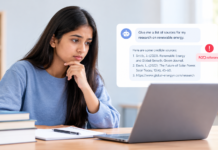


The world of work is changing fast. Technology is reshaping roles. New industries are emerging. Some careers are fading away. Schools face a hard question: how do we prepare students for jobs that don’t exist yet?
Many educators believe the answer is skills-based education. This approach focuses on what students can do, not just what they know. It could help learners thrive in the workplace of 2030.
What Is Skills-Based Education?
Skills-based education centers learning on clear, measurable skills. Students progress when they show mastery. They don’t move on simply because time has passed.
Traditional models often reward memorization. Students study facts, sit exams and receive grades. Skills-based models ask for more. Learners must apply knowledge to real problems and show the result.
You may also hear the term competency-based learning. The two ideas are closely related. Both measure progress by demonstrated ability.
Why the Jobs of 2030 Demand a New Approach
Several forces are driving change in the labor market.
- Automation and AI. Machines now handle many routine tasks. Data entry, basic analysis and simple customer queries are increasingly automated. Human workers are shifting toward tasks that need judgment and creativity.
- Rapid skill turnover. The World Economic Forum’s Future of Jobs Report 2025 estimates that around 39% of core job skills will change by 2030. A degree earned today may not cover what employers need in five years.
- New job creation. The same report projects millions of new roles alongside millions of displaced ones. The net effect is positive. But workers must be ready to move into new fields.
- Skills-based hiring. More employers now look at what candidates can do. They place less weight on degrees alone. Students with proven skills gain an edge.
The Skills Students Will Need
Experts generally group future-ready skills into three areas.
- Cognitive skills
Analytical thinking tops most employer lists. So does creative thinking. Students need to question information, solve problems and make sound decisions. These abilities matter more as AI produces more content that must be checked.
- Human and social skills
Machines struggle with empathy, persuasion and teamwork. Communication, collaboration and leadership will stay valuable. Adaptability and resilience matter too. People who learn quickly from setbacks will do well.
- Technical and digital skills
Digital literacy is now a baseline need. Students should understand data, AI tools and cybersecurity basics. Not everyone must become a programmer. But everyone should be comfortable working with technology.
How Skills-Based Education Works in Practice
Schools and universities are testing many methods. Several stand out.
- Project-based learning – Students tackle real-world problems over weeks or months. They research, build and present solutions.
- Competency frameworks – Each course lists specific skills. Students earn credit when they demonstrate them.
- Micro-credentials – Short, focused certifications verify a single skill. Learners can stack them over time.
- Internships and apprenticeships – Work experience lets students practice skills in real settings.
- Portfolios – Students collect proof of their work. Employers can see actual results, not just grades.
- Personalized pacing – Learners move faster in strong areas. They take extra time where needed.
Benefits for Students, Schools and Employers
The advantages reach across the system.
- For students – Learning feels more relevant. Students see how lessons connect to careers. Motivation often rises as a result. Clear skill records also help them explain their strengths to employers.
- For schools – Teachers gain a clearer view of each learner’s progress. Gaps show up early. Support can arrive sooner.
- For employers – Graduates arrive better prepared. Training costs may fall. Hiring becomes more precise when skills are visible and verified.
- For society – Skills-based models can widen access. Learners who take non-traditional routes can still prove their ability. This may open doors for people who were previously overlooked.
Challenges to Overcome
The shift is not simple. Several obstacles remain.
- Assessment design – Measuring skills like creativity or teamwork is hard. Schools need reliable, fair methods.
- Teacher training – Educators need time and support to change how they teach. Without it, reform stalls.
- Standardization – Different institutions define skills differently. Employers may struggle to compare credentials.
- Equity concerns – Access to technology, internships and quality teaching varies. Gaps could widen if the rollout is uneven.
- Balance with core knowledge – Skills need a foundation. Students still require strong literacy, numeracy and subject understanding.
Good programs address these issues openly. They treat knowledge and skills as partners, not rivals.
Practical Steps for Educators and Institutions
Change can start small. Consider these actions.
- Audit current courses. Identify which skills each course builds and which are missing.
- Partner with employers. Ask industry leaders which skills they value most. Invite them to co-design projects.
- Pilot before scaling. Test one program or grade level. Gather data and adjust.
- Invest in teacher development. Offer training on project design and skills assessment.
- Use technology wisely. Digital tools can track progress and personalize learning. They should support teaching, not replace it.
- Promote lifelong learning. Teach students how to learn. That habit will outlast any single job.
What Parents and Students Can Do Now
Families don’t need to wait for system-wide reform. Students can build skills today.
Join clubs and group projects. Take on leadership roles. Try online courses in data, design or coding. Seek internships or volunteer work. Keep a portfolio of finished projects.
Above all, stay curious. The ability to learn new things will be the most valuable skill of all.
Conclusion
No one can predict the future job market with certainty. But the direction is clear. Skills will matter more. Adaptability will matter most.
Skills-based education offers a practical path forward. It links classroom learning to real-world needs. It prepares students to learn, adapt and grow throughout their careers.
The jobs of 2030 are being shaped today. Education can shape the people who will fill them.