




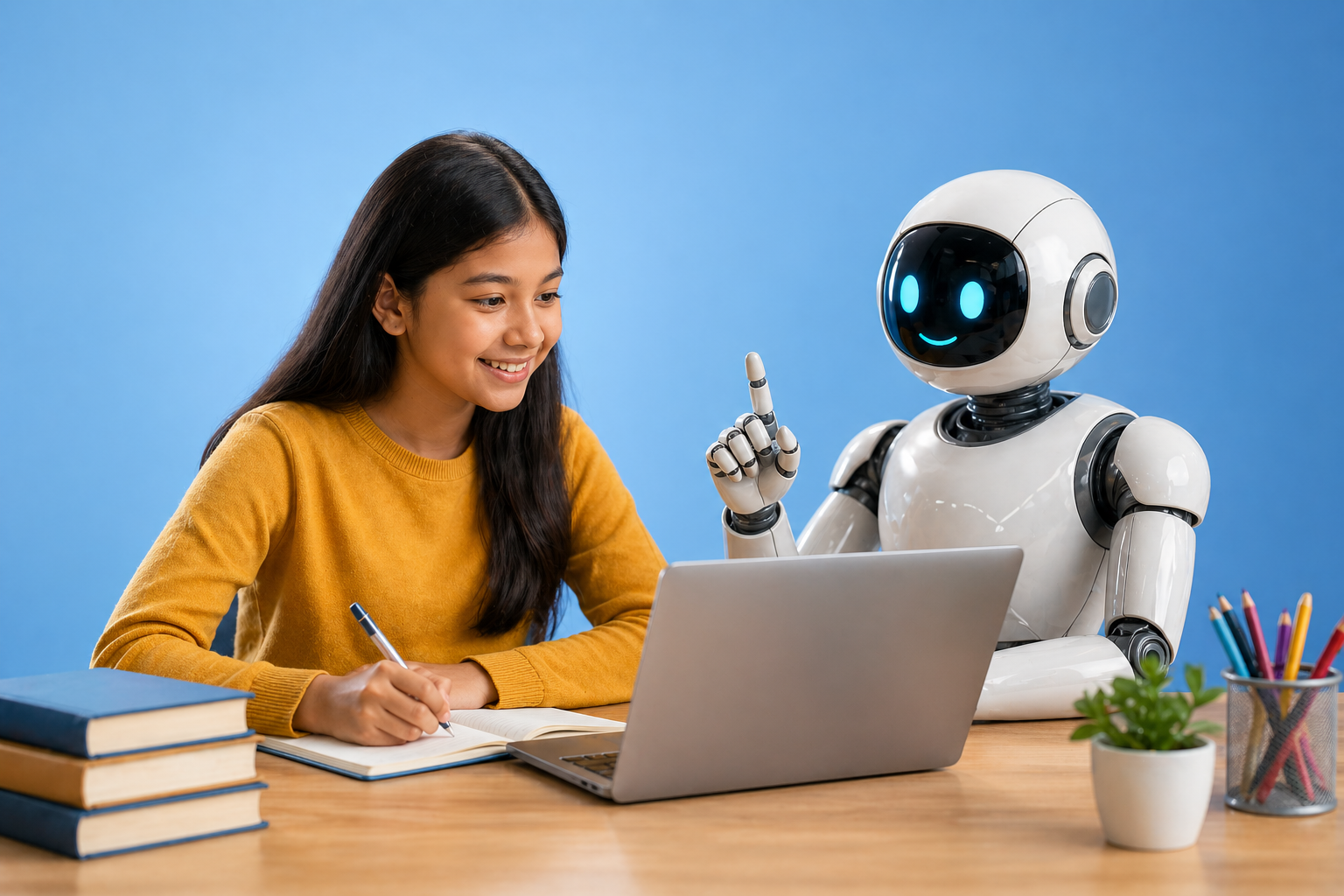
The education sector is undergoing a profound transformation, and artificial intelligence (AI) is at the center of this shift. As we move through 2026, AI in EdTech is no longer a futuristic concept, it is a present-day reality shaping how students learn, educators teach, and institutions operate.
From personalized learning experiences to intelligent tutoring systems, AI is redefining the boundaries of education. However, alongside these opportunities come significant challenges that institutions must address to ensure sustainable and ethical implementation.
In this blog, we explore the key opportunities and challenges of AI in EdTech and what they mean for the future of learning.
The Rise of AI in Education
Over the past few years, the adoption of AI in education has accelerated rapidly. This growth is driven by the need for scalable, efficient, and personalized learning solutions.
Today, AI-powered tools can:
- Analyze student performance in real time
- Recommend customized learning paths
- Automate administrative tasks
- Enhance virtual classrooms
As a result, educational institutions are increasingly integrating AI into their digital ecosystems to improve outcomes and operational efficiency.
Key Opportunities of AI in EdTech
1. Personalized Learning at Scale
One of the most significant advantages of AI is its ability to deliver personalized learning experiences.
AI systems analyze student data, including learning pace, strengths, and weaknesses. Based on this data, they create tailored content and recommendations.
For example, adaptive learning platforms adjust difficulty levels in real time, ensuring that students remain engaged without feeling overwhelmed.
Consequently, learners receive a more effective and customized education experience.
2. Intelligent Tutoring Systems
AI-powered tutoring systems provide students with instant support outside the classroom.
These systems can:
- Answer questions in real time
- Provide step-by-step explanations
- Offer feedback on assignments
As a result, students can learn independently while still receiving guidance similar to a human tutor.
3. Automation of Administrative Tasks
Administrative tasks often consume a significant portion of educators’ time.
However, AI can automate processes such as:
- Grading assignments
- Managing schedules
- Handling admissions queries
Therefore, educators can focus more on teaching and student engagement rather than routine tasks.
4. Data-Driven Decision Making
AI enables institutions to make informed decisions based on data insights.
By analyzing trends in student performance, attendance, and engagement, institutions can:
- Identify at-risk students
- Improve curriculum design
- Enhance teaching strategies
In turn, this leads to better academic outcomes and institutional efficiency.
5. Enhanced Accessibility and Inclusion
AI is making education more accessible to diverse learners.
For instance:
- Speech-to-text tools assist students with disabilities
- Language translation tools break communication barriers
- AI-powered content adapts to different learning styles
As a result, education becomes more inclusive and equitable.
Challenges of AI in EdTech
Despite its benefits, AI in EdTech presents several challenges that cannot be ignored.
1. Data Privacy and Security Concerns
AI systems rely heavily on student data. This raises concerns about data privacy and security.
Educational institutions must ensure:
- Secure data storage
- Compliance with regulations
- Transparency in data usage
Without proper safeguards, sensitive information could be misused or compromised.
2. High Implementation Costs
Implementing AI solutions can be expensive, especially for smaller institutions.
Costs include:
- Technology infrastructure
- Software development
- Training staff
As a result, not all institutions can adopt AI at the same pace, leading to a digital divide.
3. Lack of Skilled Workforce
The successful implementation of AI requires skilled professionals.
However, many institutions face a shortage of:
- AI specialists
- Data analysts
- Technically trained educators
Therefore, investing in training and upskilling staff is essential.
4. Ethical Concerns and Bias
AI systems can sometimes reflect biases present in their training data.
This can lead to:
- Unfair assessments
- Biased recommendations
- Inequitable learning outcomes
Consequently, institutions must ensure that AI systems are transparent, fair, and regularly audited.
5. Over-Reliance on Technology
While AI enhances learning, over-reliance on technology can reduce human interaction.
Education is not just about knowledge transfer, it also involves emotional and social development.
Therefore, maintaining a balance between AI and human teaching is crucial.
The Role of Educators in an AI-Driven World
AI is not replacing educators, it is augmenting their capabilities.
Teachers play a critical role in:
- Guiding students
- Providing emotional support
- Encouraging critical thinking
Meanwhile, AI handles repetitive tasks and provides data insights.
As a result, educators can focus on creating meaningful learning experiences.
Future Trends in AI and EdTech
Looking ahead, several trends are shaping the future of AI in education:
1. AI-Powered Virtual Classrooms
Virtual classrooms will become more interactive with AI-driven features such as real-time feedback and adaptive content.
2. Lifelong Learning Platforms
AI will support continuous learning by recommending courses based on career goals and industry trends.
3. Integration with Emerging Technologies
AI will increasingly integrate with technologies like:
- Virtual Reality (VR)
- Augmented Reality (AR)
- Blockchain
This will create immersive and secure learning environments.
4. Hyper-Personalization
Learning experiences will become even more tailored, adapting to individual preferences and behaviors.
How Institutions Can Prepare for AI Adoption
To fully leverage AI, institutions should:
- Invest in Infrastructure – Build a strong technological foundation
- Train Educators – Equip teachers with AI skills
- Develop Clear Policies – Ensure ethical and responsible AI use
- Start Small – Pilot AI initiatives before scaling
By taking a strategic approach, institutions can maximize benefits while minimizing risks.
Conclusion
AI in EdTech is transforming education in ways that were unimaginable just a decade ago. It offers powerful opportunities to enhance learning, improve efficiency, and make education more accessible.
However, these benefits come with challenges that require careful planning and responsible implementation.
Ultimately, the future of education lies in a balanced approach, where AI and human expertise work together to create a smarter, more inclusive learning ecosystem. As a result, organizations and institutions that embrace AI thoughtfully will be better positioned to lead the next era of education.