




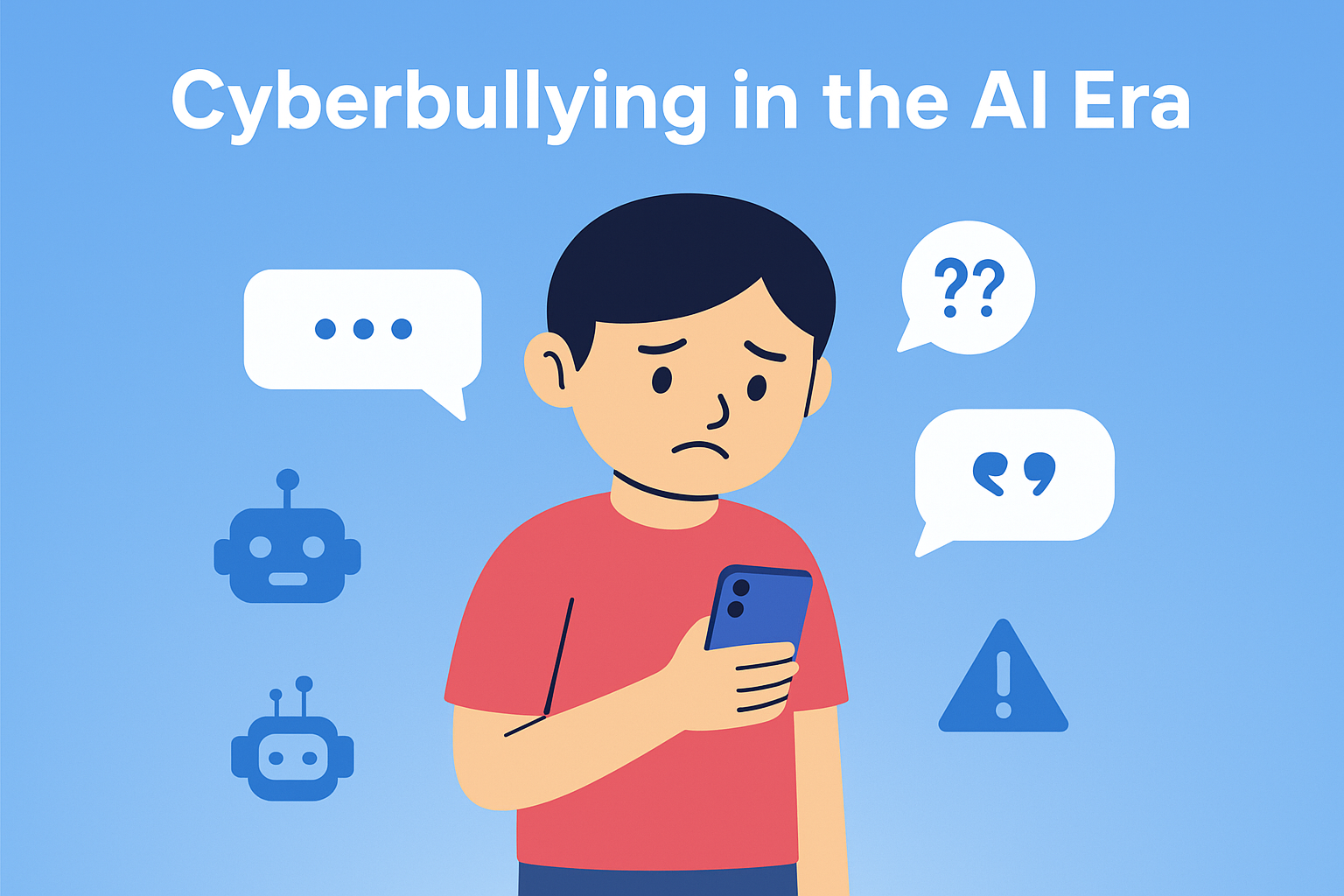
In the age of AI-powered education, digital platforms are transforming how students learn, collaborate, and interact. Adaptive learning tools, virtual classrooms, and AI-driven chatbots offer personalized experiences that enhance engagement and accelerate outcomes. However, alongside these advancements comes a pressing challenge: cyberbullying in AI-driven educational platforms.
Unlike traditional bullying, cyberbullying today can be automated, amplified, and spread with unprecedented speed. AI tools, when misused or unmonitored, can create vulnerabilities, from algorithmically boosted negative content to AI-generated media designed to harass or intimidate students.
For EdTech companies, educational institutions, and parents, addressing this challenge is no longer optional, it is essential. By understanding the evolving nature of cyberbullying and leveraging AI responsibly, stakeholders can create safer, more supportive digital learning environments that protect students while harnessing the full potential of technology.
The Evolution of Cyberbullying in AI Education
Cyberbullying has grown increasingly sophisticated with the rise of AI. Whereas early instances were largely confined to emails, forums, or messaging apps, modern AI-enabled platforms introduce new dynamics:
- Automated Harassment: Chatbots and AI systems can inadvertently or intentionally send harmful messages, targeting individual students or groups.
- Algorithmic Amplification: AI-driven recommendation engines may increase visibility of negative content based on engagement metrics, unintentionally spreading bullying faster.
- Deepfake and Synthetic Media: AI can create realistic manipulated images, videos, or audio, which can be weaponized for humiliation or intimidation.
- Anonymity at Scale: Students can remain anonymous while harassing others, enabling harmful content to spread rapidly across multiple platforms.
The combination of these factors makes cyberbullying in AI education more pervasive and challenging to detect than ever before.
Impact of Cyberbullying on Students and Institutions
The effects of cyberbullying are multifaceted, impacting students’ emotional, academic, and social wellbeing:
- Emotional and Psychological Effects: Students may experience anxiety, depression, stress, and diminished self-esteem. Long-term exposure can result in severe psychological consequences.
- Academic Performance: Victims may disengage from classes, avoid collaborative projects, or see declines in grades due to stress or distraction.
- Peer Relationships: Cyberbullying can erode trust, reduce classroom participation, and lead to social isolation.
- Institutional Reputation: Schools and EdTech platforms failing to address cyberbullying risk reputational damage, diminished student trust, and scrutiny from regulators.
Recognizing these impacts is critical for designing effective cyberbullying prevention strategies in AI-driven education.
How AI Can Both Contribute to and Mitigate Cyberbullying
AI is a double-edged sword: it can either exacerbate cyberbullying or serve as a powerful tool for its prevention.
Risks:
- Automated systems may send repeated harmful messages.
- Engagement-based algorithms can amplify negative or offensive content.
- Deepfake media can be weaponized for harassment.
- Behavioral data may be exploited to identify vulnerabilities.
Opportunities for Prevention:
- AI-powered content moderation can detect harmful messages or media in real time.
- Behavioral analytics can flag suspicious or high-risk interactions.
- Automated reporting mechanisms ensure administrators are notified promptly.
- Dashboards for educators and parents provide insights without violating privacy.
By designing AI systems responsibly, educational institutions can turn potential risks into preventive measures.
Key Strategies for Cyberbullying Prevention in AI-Driven Platforms
1. Digital Literacy and Awareness Programs
Teaching students about responsible AI use, online etiquette, and cyberbullying awareness empowers them to navigate digital platforms safely. Understanding AI’s capabilities and limitations helps prevent misuse.
2. AI Monitoring and Moderation Tools
Integrating AI-powered tools that monitor chat messages, discussion forums, and content uploads can identify harassment quickly. Flagged content can be reviewed and addressed by administrators efficiently.
3. Transparent and Accessible Reporting Channels
Students should have clear ways to report cyberbullying, including anonymous options. AI can support these systems by streamlining reporting workflows and escalating urgent cases.
4. Parental Guidance and Involvement
Parents play a crucial role in reinforcing safe digital behavior. They can monitor activity responsibly, discuss AI’s risks and benefits with children, and provide emotional support when incidents occur.
5. Peer Support and Positive Online Culture
Encouraging students to support one another fosters resilience and empathy. Peer-led initiatives, combined with AI monitoring, can help identify at-risk students and promote a culture of safety.
6. Comprehensive Policies and Governance
Educational institutions must implement clear anti-bullying policies, specifying:
- What constitutes cyberbullying in AI contexts
- Reporting and disciplinary protocols
- Guidelines for AI-generated content
Policies should be revisited regularly to adapt to evolving technology and threats.
7. Emotional Resilience Programs
Integrating counseling services, workshops on coping strategies, and mindfulness exercises helps students manage stress and recover from negative experiences.
Best Practices for Implementation
- Platform Audits: Regularly assess AI systems for vulnerabilities that may be exploited.
- AI Ethics Compliance: Ensure all AI tools comply with ethical standards and data privacy regulations.
- Adaptive Monitoring: Continuously update algorithms to detect new patterns of cyberbullying.
- Inclusive Policy Design: Involve educators, IT teams, students, and parents in policy creation.
- Cross-Platform Monitoring: Ensure oversight extends across all digital touchpoints in the learning environment.
These measures help create a proactive and preventative ecosystem around AI-powered education.
Roles of Key Stakeholders
- Educators: Deliver digital literacy training, monitor interactions, and intervene when necessary.
- Parents/Guardians: Provide guidance, reinforce responsible digital behavior, and support emotional wellbeing.
- EdTech Companies: Design platforms with integrated moderation, reporting tools, and privacy safeguards.
- Policy Makers: Establish regulatory frameworks that enforce safe AI use in educational contexts.
Collaboration among stakeholders is essential for effective cyberbullying prevention in AI education.
Conclusion
Cyberbullying in AI-driven educational platforms is a modern challenge that requires awareness, strategy, and collaboration. While AI can amplify risks, it also provides tools for real-time detection, moderation, and reporting.
By combining digital literacy programs, AI-powered monitoring, clear reporting mechanisms, emotional resilience initiatives, and robust policies, educational institutions can create safer, more engaging learning environments. Collaboration among educators, parents, EdTech companies, and policymakers ensures responsible AI adoption and effective cyberbullying prevention in AI education.
Proactive measures not only protect students but also reinforce trust, enhance engagement, and enable EdTech platforms to fully leverage AI for transformative learning experiences.
I hope you find the above content helpful. For more such informative content, please visit EduTechReports.